
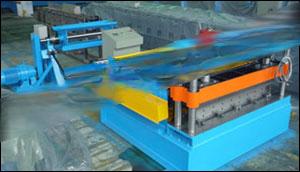
Cut to length line technology is a cornerstone of modern metal fabrication, transforming large, cumbersome coils of steel into precise, flat sheets ready for further processing. This essential piece of equipment streamlines production, minimizes waste, and ensures consistent quality. Understanding the specifications and capabilities of a cut to length line is crucial for manufacturers looking to invest in efficiency and precision. This guide will delve into the critical features of a high-performance system, breaking down the technical details into an actionable overview.
What is a Cut to Length Line and Why is it Vital?
A cut to length line is an automated industrial system designed to uncoil, straighten, measure, and cut metal coils into sheets of predetermined lengths. This process is fundamental in industries ranging from automotive and appliance manufacturing to construction and roofing. The primary advantage of using a dedicated CTL line is the dramatic increase in productivity and accuracy it offers over manual cutting methods. By automating the process, manufacturers can achieve a consistent, high-volume output with minimal material variance, which is essential for just-in-time production and maintaining tight tolerances. The Fabricators & Manufacturers Association, Intl. often highlights the role of such automation in improving overall manufacturing competitiveness.
A Deep Dive into Our Cut to Length Line Specifications
Let’s analyze the key specifications that define the performance and capability of our robust cut to length line.
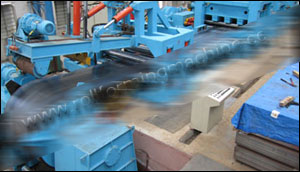
Material Handling and Versatility
-
Coil Width Capacity (1000mm – 1300mm): This range provides excellent flexibility, allowing the processing of a wide variety of coil sizes to produce sheets for multiple applications without requiring a machine changeover.
-
Material Thickness (0.3mm – 2mm): This coil cutting system adeptly handles a broad spectrum of material gauges, from thin, delicate color steel to thicker, more robust galvanized steel. This versatility makes it suitable for everything from household appliances to structural panels.
Operational Performance and Efficiency
-
Working Speed (10-15 m/min): This operational pace ensures a steady and efficient flow of material through the system. While the cutting action itself is instantaneous, this straightening and feeding speed is optimized for consistent quality and integration into a production line.
-
Dual Roller Stations (2 Stations): Having two stations significantly enhances productivity. While one station is actively feeding and processing a coil, the other can be prepared with the next coil, drastically reducing downtime and maximizing machine uptime.
Core Components and Durability
The longevity and reliability of a length cutting machine depend on the quality of its core components.
-
Roller and Shaft Construction: The use of rubber-coated rollers paired with 45# forge steel shafts (Ø76mm) represents a commitment to durability. The rubber coating protects the material surface from scratches, while the high-strength steel shaft ensures the system can withstand continuous operational stress without deflection.
-
Cutting Power and Tooling: The 5.5KW main power unit delivers the necessary force for clean, burr-free cuts through the specified material range. The blades, crafted from heat-treated CR12 steel, are a critical detail. CR12 is a high-carbon, high-chromium alloy tool steel known for its excellent wear resistance and ability to hold a sharp edge, which is essential for maintaining cut quality over long production runs and reducing long-term maintenance costs. You can learn more about the properties of tool steels from resources like the ASM International foundation.
The Tangible Benefits of Investing in a Quality CTL Line
Implementing a reliable cut to length line into your manufacturing workflow offers several undeniable advantages:
-
Precision and Consistency: Automated measurement and cutting eliminate human error, ensuring every sheet is identical in dimension.
-
Reduced Material Waste: Precise control over the cutting length minimizes trim loss, leading to direct cost savings on raw materials.
-
Increased Production Speed: Automation allows for much higher output volumes compared to manual or semi-automated methods.
-
Improved Worker Safety: By automating the handling and cutting of sharp, heavy metal coils, the risk of workplace injuries is significantly reduced.
Is This Cut to Length Line Right for Your Application?
This specific cut to length line is engineered for manufacturers working with color-coated steel and galvanized steel within the 0.3mm to 2mm thickness range. It is an ideal solution for producing blanks for roofing, wall panels, ductwork, and various other sheet metal components. Its robust construction ensures it can handle the demands of a high-volume production environment.
Ready to transform your coil processing capabilities? Contact us today to discuss how this high-efficiency cut to length line can be integrated into your operation to boost productivity, improve quality, and enhance your bottom line.