
PU Sandwich Roll Forming Machine: Your Essential Guide to Efficient Panel Production
A PU sandwich roll forming machine is the powerhouse behind the efficient, continuous manufacturing of insulated building panels. This specialized cold roll forming equipment is engineered to transform metal coils and polyurethane (PU) core materials into high-performance wall and roofing panels. For manufacturers in the construction and prefab industries, investing in a reliable PU sandwich roll forming machine is pivotal to producing panels that offer superior thermal insulation, soundproofing, and fire resistance.
What is a PU Sandwich Roll Forming Machine?
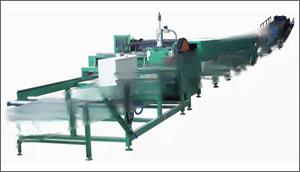
This machine is a continuous production line designed for the cold roll forming of steel or aluminum sheets that encase a rigid Polyurethane (PU) foam core. Unlike single-sheet formers, this system typically integrates uncoiling, roll forming, foaming, double-skin forming, cutting, and stacking to create finished sandwich panels in one automated process. The Metal Construction Association provides excellent resources on the benefits of insulated metal panels produced by such advanced machinery.
Key Production Characteristics and Industrial Uses
The core function of this cold roll forming machine is its suitability for PU sandwich products. Its precision engineering ensures consistent panel profiles essential for tight seals and easy installation.
-
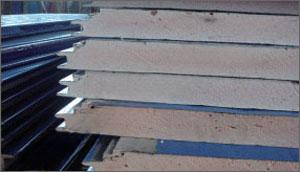
Primary Use: Manufacturing insulated wall panels and roofing panels for industrial buildings, commercial warehouses, cold storage, and clean rooms.
-
Key Benefits of the Final Product:
-
Thermal Insulation: The PU core provides excellent R-values, significantly reducing energy costs.
-
Sound Insulation: Creates effective acoustic barriers.
-
Fire Prevention: Fire-retardant PU cores and steel skins enhance building safety.
-
Structural Integrity: The sandwich composite offers high strength-to-weight ratio.
-
Detailed Specifications of a Standard PU Sandwich Roll Forming Line
Understanding the technical specifications is crucial for selecting the right equipment. Here is a breakdown of common specs for a robust production line:
Main Roll Forming Unit:
-
Suitable Plate Thickness: Customizable based on client needs (typically 0.3mm – 0.8mm steel).
-
Forming Steps: 40 stations ensure smooth, precise, and complex profile formation.
-
Roller Material: GCr15 bearing steel, precision-machined and high-frequency quenched to HRC58-62 for extreme durability and wear resistance.
-
Main Shaft Material: #45 advanced steel (Diameter: Φ40).
-
Drive System: Robust gear and gimbal transmission for powerful, stable operation.
-
Working Speed: Up to 15 meters per minute for balanced output and quality.
-
Main Motor Power: 7.5 KW.
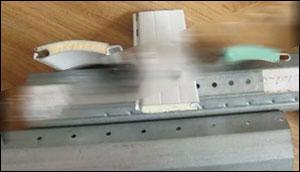
Cutting System:
-
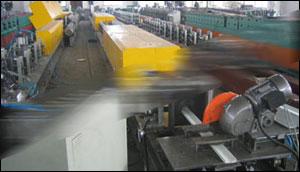
Type: Pneumatic following cut for accurate, burr-free cutting at specified lengths without stopping the line.
-
Cutting Knife Material: Cr12MoV alloy tool steel, quenched to HRC58-62.
-
Cutting Power: 2.2 KW.
Physical Dimensions & Weight:
-
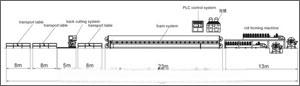
Line Dimension (LxWxH): Approximately 37,000mm x 700mm x 900mm.
-
Total Weight: Approx. 12 Tons, indicating a solid, vibration-resistant frame.
Why Choose This Roll Forming Technology for PU Panels?
Investing in a dedicated PU panel production line offers unparalleled advantages over manual or semi-automated methods. The automation ensures consistent profile geometry, which is critical for the insulation performance and weather tightness of the final sandwich panel. According to manufacturing principles detailed by sources like ThomasNet on roll forming, this consistency directly translates to reduced material waste and lower labor costs.
Key Considerations Before Purchase
-
Profile Flexibility: Can the machine be easily adjusted for different panel profiles?
-
Core Material Compatibility: Is it optimized specifically for PU foam injection and curing?
-
Automation Level: Look for PLC control systems for precision and ease of operation.
-
After-Sales Support: Ensure availability of technical service and spare parts, like the high-grade forming rolls and cutting knives.
The Future of Insulated Panel Manufacturing
As building codes demand higher energy efficiency, the role of the PU sandwich roll forming machine becomes more central. It enables the mass production of panels that meet stringent green building standards, contributing to sustainable construction practices.
Conclusion
A high-performance PU sandwich roll forming machine is a significant but worthwhile investment for any serious manufacturer of insulated building envelopes. By understanding its characteristics, specifications, and applications outlined above, you can make an informed decision that will enhance your production capability, product quality, and ultimately, your profitability in the growing construction market.