
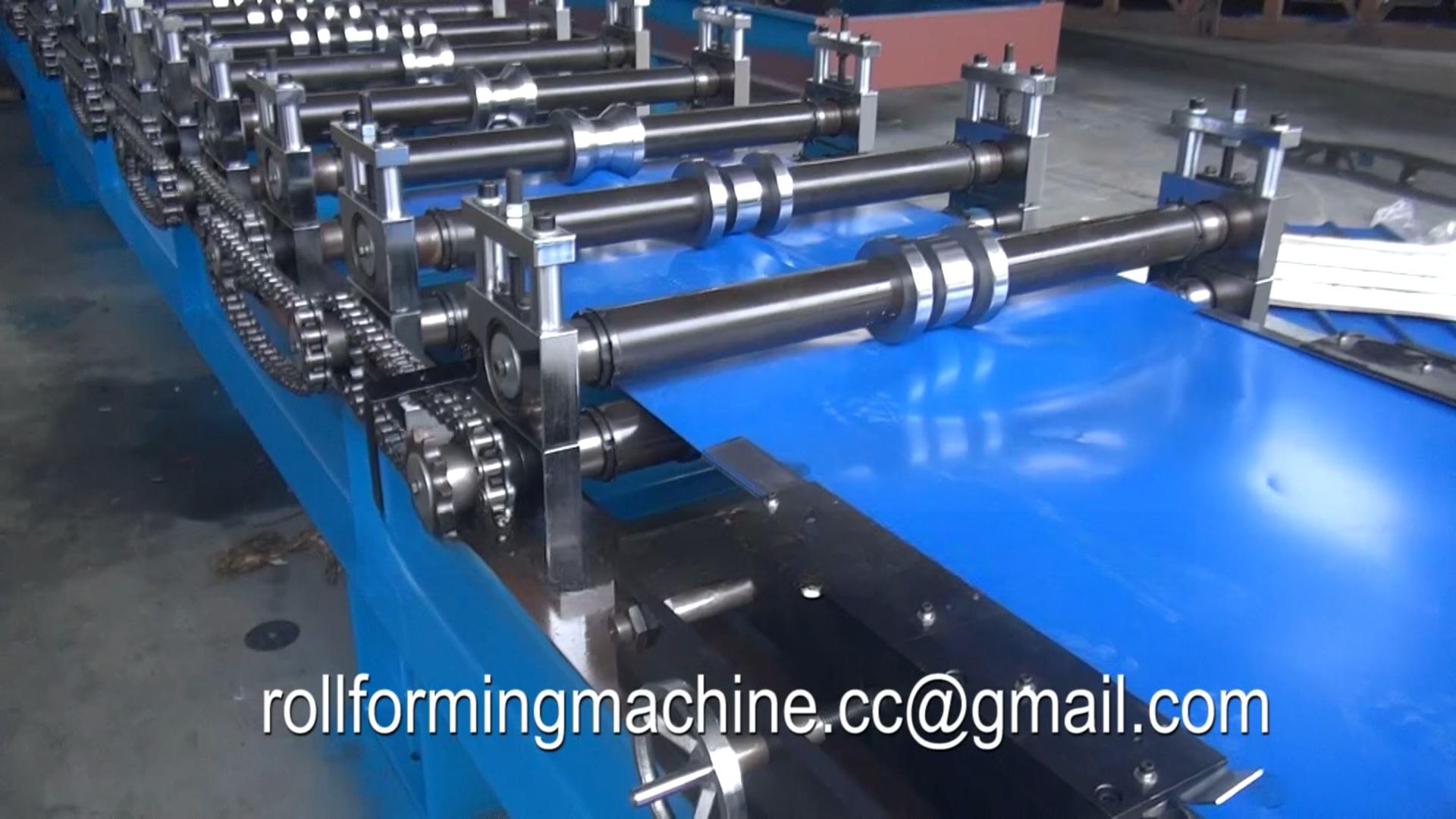
Cold Roll Forming Machine: Transforming Metal Coil into Roofing Panels
— working processing video
Have you ever wondered how those long, consistent, and durable metal roofing panels are made? The answer lies in a sophisticated and highly efficient manufacturing process powered by a cold roll forming machine. This incredible piece of industrial equipment is the backbone of modern metal roofing and wall panel production. In this post, we’ll break down the process you see in the video, explaining how a simple coil of metal is transformed into the final roofing products used in construction worldwide.
For those seeking a deeper technical understanding of the forming process, the Fabricators & Manufacturers Association provides excellent resources on metal forming technologies.
The Step-by-Step Process of a Cold Roll Forming Machine
The video clearly demonstrates that the operation of a cold roll forming machine is a continuous, streamlined process. It begins with a large coil of sheet metal, typically steel or aluminum, which is loaded onto an uncoiler. The metal strip is then fed into the progressive stages of the roll forming machine.
-
Material Feeding: The process starts with a massive coil of sheet metal. This coil is mounted and carefully fed into the machine, ensuring a smooth and consistent flow of material.
-
Pre-Punching (Optional): Before the forming begins, some advanced panel roll forming systems include a punching station. This step can pre-punch holes for fasteners or create custom designs in the flat metal strip, which is more efficient than punching after the profile is formed.
-
The Progressive Forming Stations: This is the heart of the cold roll forming machine. The metal strip passes through a series of rolling dies, each set carefully shaping the metal incrementally. Each station of the metal forming machine bends the sheet a little more than the last, gradually creating the complex cross-sectional profile—whether it’s a classic trapezoidal roof panel, a standing seam, or a decorative wall panel. This gradual process ensures precision and prevents material stress.
-
Cutting to Length: Once the metal is fully formed into the desired profile, it moves to the cutting station. A flying cut-off mechanism cleanly shears the continuously moving panel to a pre-set length. This is a crucial step handled with high accuracy by the roll forming equipment.
-
Final Product Output: The finished, cut-to-length roofing or wall panel then exits the cold roll forming machine, ready for bundling, shipment, and installation.
Why is the Cold Roll Forming Process So Effective?
The popularity of this metal roofing manufacturing method isn’t accidental. The cold roll forming process offers significant advantages. It is a high-speed, continuous operation ideal for mass production, resulting in consistent quality and very little material waste. Because the forming is done cold (at room temperature), it preserves the pre-coated finishes of the metal, which is essential for corrosion resistance and aesthetics in roofing products.
In conclusion, the cold roll forming machine is a masterpiece of industrial engineering that efficiently produces the building panels we see everywhere. From simple bends to complicated profiles, this panel production line demonstrates how controlled, progressive shaping can create strong, reliable, and custom construction materials. To see another perspective on this technology, you can explore The American Institute of Steel Construction’s insights on modern fabrication methods.
Want to deal with cutted metal wastes? You can use reycling machinery like hydraulic metal balers to press the waste steels into balers and transport and reuse.
Contact us now for more details.