
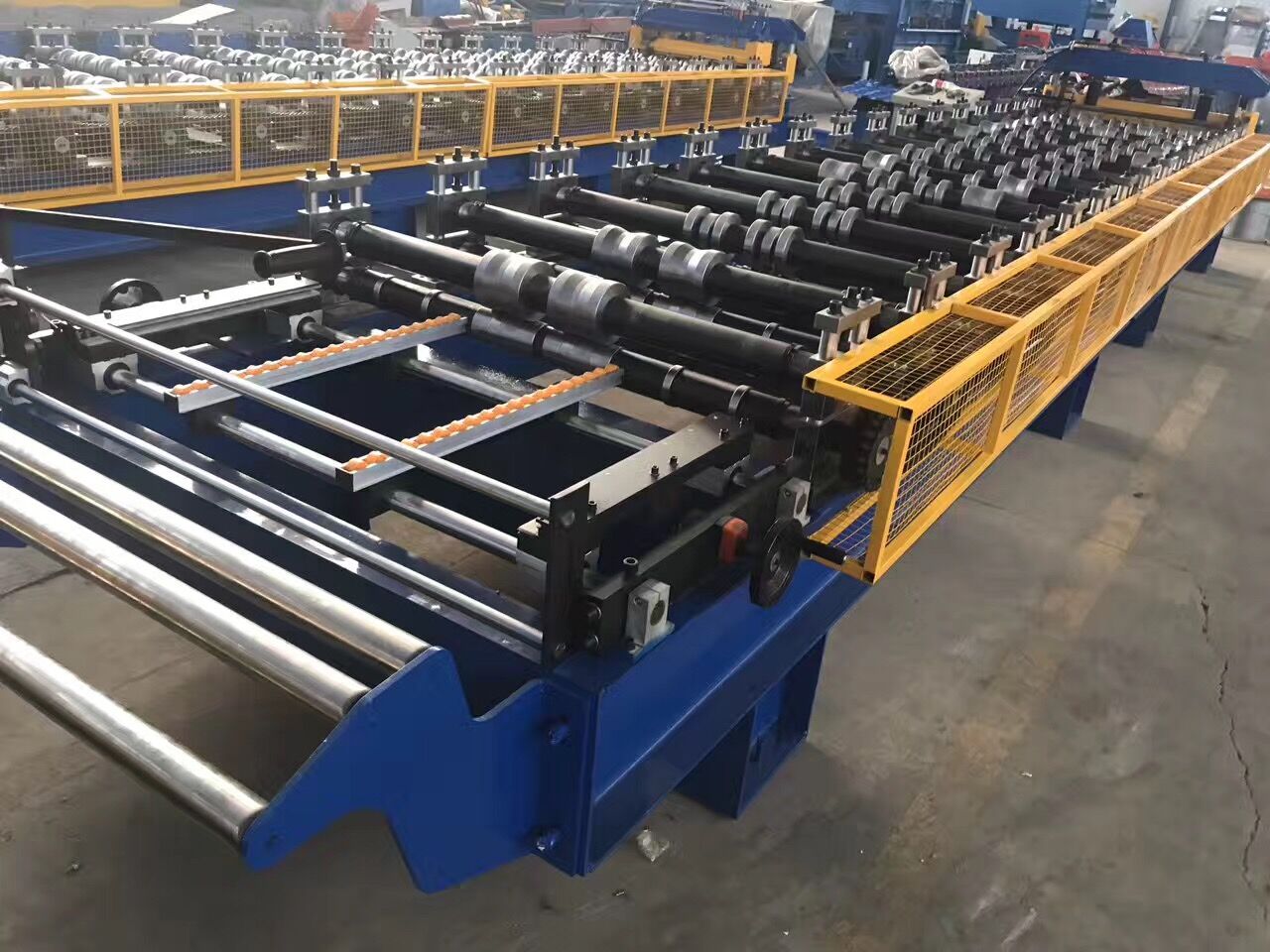
What is a Roofing Roll Forming Machine and How Does It Work?
Simply put, a roofing roll forming machine is a cold-forming process machine. It shapes long strips of sheet metal into specific roof panel profiles. The machine uses a series of roller dies, each set performing a small, gradual bend. Consequently, the metal passes through these rollers and transforms into the desired shape without excessive heat or cutting. This process is efficient and produces strong, uniform panels perfect for modern construction.
5 Key Benefits of Using a Roofing Roll Forming Machine
Investing in this equipment offers major advantages for any serious construction or manufacturing business.
1. Unmatched Production Speed and Efficiency
First, these machines dramatically boost output. A modern, automated roofing panel machine can produce meters of finished product per minute. This speed is far greater than manual methods. Therefore, you can complete large projects like warehouses, factories, or housing developments much faster. Time saved directly translates to lower labor costs and higher profit margins.
2. Superior Consistency and Quality
Secondly, consistency is a huge benefit. Every panel that comes off the line is identical. This uniformity is crucial for proper installation, weatherproofing, and a professional aesthetic. Manual forming often leads to small variations that cause big problems during installation. With a roll forming machine for roofing, you guarantee perfect panels every time.
3. Remarkable Material Savings and Less Waste
Furthermore, these machines are very precise. They use coil stock efficiently, minimizing scrap metal. Many systems also include in-line punching and cutting, which optimizes material use. This precision reduces waste and saves money on raw materials, making your operation more sustainable and cost-effective.
4. Incredible Design Flexibility
Another key advantage is flexibility. A single cold roll forming machine can often be tooled to produce multiple profiles. Whether you need classic corrugated panels, standing seam roofs, or custom tile profiles, the right machine can handle it. This versatility lets you serve a wider market without buying multiple machines.
5. Enhanced Worker Safety
Finally, automation improves safety. The process minimizes the need for workers to handle heavy sheets or use dangerous cutting and bending tools manually. Safety is a top priority, and organizations like the Occupational Safety and Health Administration (OSHA) provide guidelines that automated processes help meet.
How to Choose the Right Roofing Roll Forming Machine: 5 Must-Consider Factors
Selecting the perfect machine requires careful thought. Here are the five most important factors to guide your decision.
1. Define Your Production Needs and Panel Specifications
Start by outlining your exact needs. What type of metal roofing panels will you produce? Consider:
-
Material Type: Will you use steel, aluminum, or coated metals like Galvalume?
-
Material Thickness: Machine capacity is rated for specific gauges (e.g., 0.4mm to 1.2mm).
-
Panel Profile: Have a clear idea of the final shape and dimensions.
-
Production Volume: How many meters or tons do you need to produce per day?
Providing these details to a manufacturer allows them to create accurate drawings and machine sketches for you.
2. Evaluate Machine Automation and Control Level
Machines range from manual to fully computerized. A basic machine might require an operator to feed and cut. In contrast, a fully automated roof panel production line includes a decoiler, pre-punching unit, roll former, cutting system, and automatic stacker. Automation increases initial cost but drastically reduces long-term labor costs and boosts output.
3. Prioritize Build Quality and Durability
This is a long-term investment. Look for robust frame construction, high-quality hardened steel rollers, and precision bearings. A well-built roofing forming machine will run smoothly for years with minimal downtime. Don’t choose based on price alone; consider total cost of ownership. Reputable industry standards for machinery can be referenced through sources like the Association for Manufacturing Technology.
4. Consider After-Sales Support and Service
Technical support is critical. Ensure the supplier offers comprehensive training, detailed manuals, and readily available spare parts. A machine is useless if it breaks down and you can’t get it fixed quickly. Choose a manufacturer known for strong customer service.
5. Plan for Your Space and Power Requirements
Finally, assess your factory space and utilities. These machines can be long. You need adequate space for the machine, material coils, and finished panels. Also, verify you have the correct electrical power supply (voltage, phase) to run the equipment efficiently.
Conclusion: Transform Your Roofing Business with the Right Machine
In summary, a roofing roll forming machine is a transformative investment. It empowers you to produce high-quality, consistent metal roof panels with speed and efficiency. By carefully considering your production needs, automation level, and supplier support, you can select a machine that becomes a reliable profit center for your business. Whether for residential, commercial, or industrial projects, the right equipment lays a solid foundation for growth and success in the competitive construction market. Contact us now.