
The Expert’s Guide to the Round Down Pipe Roll Forming Machine: 5 Keys to Superior Production
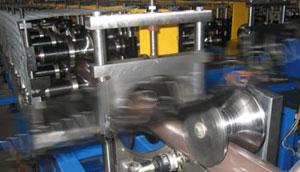
A round down pipe roll forming machine is the powerhouse behind efficient, consistent, and high-volume production of drainage pipes, particularly for gutter systems. This advanced piece of fabrication equipment transforms flat metal coil into precise, uniform round pipes through a continuous cold-forming process. For manufacturers aiming to boost output and quality, selecting the right round down pipe roll forming machine is a pivotal decision. This definitive guide breaks down the five most critical aspects you must evaluate, complete with technical specifications, to ensure you invest in a machine that delivers outstanding return on investment.
1. Unpacking the Core Specifications: What Makes a Machine Tick?
The performance of any round down pipe roll forming machine is defined by its core technical parameters. Here’s a breakdown of a robust 24-station model’s key specs and why they matter:
-
Material Thickness (0.4-0.8mm): This range is ideal for standard galvanized steel or aluminum down pipes. It offers the perfect balance between durability and material economy, suitable for most residential and commercial gutter applications.
-
Rolling Speed (10-12m/min): This efficient speed ensures high productivity without sacrificing the quality of the form. Consistent speed is crucial for creating uniform seams and diameters.
-
Drive System (Chain Drive): A chain drive offers robust power transmission and high durability under continuous operation. It is generally easier to maintain and provides reliable synchronization across the many forming stations, as noted in industry resources like The Fabricators & Manufacturers Association.
Understanding these specs is the first step to matching a machine with your production goals.
2. The Power of Stations: Why 24 Stations Matter for Round Pipes
The number of roll stations is directly proportional to the quality and precision of the final product. A 24-station pipe roll forming machine provides a significant advantage.
-
Gradual Forming: It allows for a very gradual, step-by-step transformation of the flat strip into a perfect round pipe. This minimizes stress on the material, preventing surface marring and ensuring a smooth, consistent profile.
-
Improved Accuracy: More stations enable finer control over the pipe’s diameter and seam integrity, resulting in pipes that fit together perfectly in the field.
-
Versatility: With more stations, the machine can often be adjusted or retooled to handle slight variations in pipe diameter or seam design with greater finesse.
3. Decoding Power Requirements: Main & Hydraulic Systems
The power configuration of a down pipe forming machine dictates its capability and stability.
-
Main Power (7.5KW): This powers the primary drive motor that runs the roll forming stations. A 7.5KW motor provides ample torque for forming metal within the 0.4-0.8mm range at the advertised speeds.
-
Hydraulic Power (3.75KW): A separate hydraulic system typically powers critical auxiliary functions. This includes the cutting unit that shears the continuous pipe to length. A dedicated hydraulic system ensures clean, burr-free cuts without interrupting the main forming process, a key factor for end-quality.
4. Applications and Output: What Can You Produce?
This category of roll forming equipment is specifically engineered for manufacturing vertical drainage pipes. The primary output is seamless, lock-seam or welded round down pipes used in:
-
Residential and commercial rainwater gutter systems.
-
Architectural drainage solutions.
-
Industrial ducting and conduit (when specifications align).
The consistent output from an automated line drastically reduces labor costs and material waste compared to manual fabrication methods.
5. Selecting Your Machine: Beyond Basic Specs
While specifications are vital, practical considerations ensure long-term success with your pipe production machine.
-
Tooling Quality: The durability and precision of the roll forming dies (the tooling) are paramount. High-carbon chromium steel tooling lasts longer and maintains tolerance.
-
Control System: A modern PLC (Programmable Logic Controller) allows for easy speed adjustment, length setting, and fault diagnosis.
-
After-Sales Support: Ensure your supplier provides comprehensive installation guidance, operator training, and ready access to spare parts.
-
Safety Features: Look for integrated guards, emergency stops, and electrical safety certifications.
Conclusion: Investing in Precision and Efficiency
A well-chosen round down pipe roll forming machine is not just a purchase; it’s a strategic investment in manufacturing efficiency and product quality. By focusing on a machine with the right specifications—like a 24-station design with a 7.5KW main drive and chain transmission—you establish a foundation for reliable, high-output production. This technology empowers you to meet market demand with superior, consistent down pipes, giving your business a formidable competitive edge.
Ready to transform your pipe production line? Consult with an expert today to find the perfect round down pipe roll forming machine for your specific needs and volume requirements.