
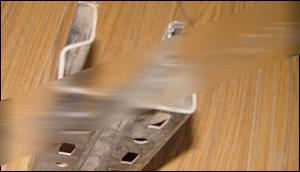
Shelf Cold Roll Forming Machine: The 5 Essential Advantages for Reliable Manufacturing
Shelf cold roll forming machine is an industrial powerhouse engineered specifically for the continuous, high-volume production of metal shelves, uprights, and storage rack components. This specialized equipment transforms raw steel coil into precise, strong profiles through a cold-forming process, offering manufacturers a significant edge in speed, consistency, and cost-efficiency. Understanding its capabilities and critical parameters is key to optimizing your production line for the competitive storage solutions market.
What is a Shelf Cold Roll Forming Machine?
A shelf cold roll forming machine is an automated production line designed to fabricate the long, uniform metal profiles required for shelving and racking systems. Unlike stamping or press braking, the cold roll forming process progressively shapes metal coil at room temperature through a series of precisely engineered roll stations. This method is renowned for producing high-strength parts with excellent dimensional accuracy and a superior surface finish, making it ideal for products like pallet racking, warehouse shelving, and retail display units. As outlined in resources from the Precision Metalforming Association, this process is fundamental for efficient, long-run metal part fabrication.
Decoding the Critical Technical Parameters
The performance of your shelf roll forming line hinges on its specifications. Here’s a breakdown of the essential parameters:
1. Material Capacity & Machine Robustness
-
Coil Width & Thickness: A machine handling 254mm wide coil and forming thickness of 1.5mm to 3mm is built for heavy-duty shelving applications. This capacity covers most commercial and industrial storage rack requirements.
-
Roller & Shaft Construction: Rollers made from 45# forged steel, polished and chrome-plated, ensure exceptional wear resistance and a smooth finish on the final product. Similarly, robust 45# forged steel main shafts (e.g., Ø76mm) provide the rigidity needed for consistent forming under high tension.
2. Production Speed & Efficiency
-
Working Speed: A rated speed of 20 meters per minute (excluding punching/cutting time) translates to high throughput, essential for meeting large-volume orders. This efficiency is a primary driver of ROI for a cold roll forming machine.
-
Stations & Precision: The configuration of 24 stations (including 7 dedicated to leveling) indicates a complex, multi-stage forming process. More stations allow for more gradual and precise shape transitions, resulting in higher-quality profiles with less material stress.
3. Cutting System & Accuracy
A reliable cutting system is non-negotiable for part consistency.
-
Hydraulic Cutting: Provides the powerful, clean shear force needed for 3mm steel.
-
Post-Form Cutting: Cutting after the profile is fully formed guarantees dimensional accuracy for each shelf length.
-
Automatic Control: Integrated length measuring and auto-start/stop functionality ensure seamless, hands-off operation with minimal waste.
-
Tolerance: A length tolerance of +/- 1.5mm is a standard and acceptable benchmark for most shelving applications, ensuring components fit together correctly during assembly.
4. Power & Drive System
-
Main Power: An 18.5KW motor supplies ample power to pull and form thick-gauge steel coil consistently.
-
Transmission: A chain-driven system is known for its durability and ability to transmit high torque reliably in industrial environments, a key feature for a heavy-duty storage rack forming machine.
Key Benefits of Automating with a Roll Forming Line
Investing in a dedicated shelf cold roll forming machine delivers transformative advantages:
-
Unmatched Production Speed: Dramatically outpaces manual or semi-automatic fabrication methods.
-
Superior Consistency: Produces thousands of identical profiles, critical for mass assembly and structural integrity.
-
Material Efficiency: Minimizes scrap through continuous processing and precise cut-to-length control.
-
Lower Labor Costs: Automates the primary forming and cutting processes, requiring less manual intervention.
-
Enhanced Strength: The cold-working process can increase the yield strength of the metal, contributing to the overall load capacity of the final shelf.
Applications in the Storage & Logistics Industry
This machine is the backbone for manufacturing:
-
Pallet Racking Beams and Uprights
-
Boltless Shelving Units
-
Cantilever Rack Arms
-
Industrial Warehouse Decking
-
Retail Gondola Shelving Components
How to Select the Right Machine for Your Needs
When sourcing a shelf cold roll forming machine, consider:
-
Profile Complexity: Ensure the number of stations matches your product’s cross-section.
-
Material Specifications: Verify the machine’s max yield strength, thickness, and width limits meet your raw material specs.
-
Required Output: Match the machine’s speed and automation level to your production volume targets.
-
Tooling Quality: Insist on high-grade, hardened tool steel rollers (like CR12) for longevity.
-
Supplier Support: Choose a manufacturer that provides comprehensive installation, training, and spare parts support, much like industry leaders featured on platforms like Thomasnet for manufacturing equipment.
Conclusion: The Smart Investment for Scalable Production
For any business serious about manufacturing metal shelving at scale, a dedicated shelf cold roll forming machine is not just an expense—it’s a strategic investment in capacity, quality, and competitive advantage. By understanding the critical parameters—from the 24-stage forming process to the hydraulic cut-to-length system—you can make an informed decision that will drive your production efficiency for years to come. To explore specifications and discuss a machine tailored to your specific profile needs, contacting a reputable manufacturer is the essential next step.