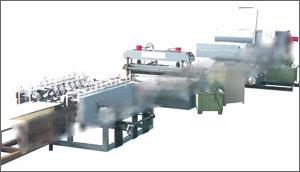
A slitting machine is the cornerstone of modern material conversion, transforming wide master coils of metal, plastic, paper, or composites into precise, narrow strips ready for further manufacturing. This essential industrial equipment drives efficiency, reduces waste, and enables mass production across countless sectors. This comprehensive guide will demystify the slitting machine, explore the complete slitting line, and provide the key specifications you need to make an informed decision for your operation.
Slitting Line
What is a Slitting Machine and How Does a Slitting Line Work?
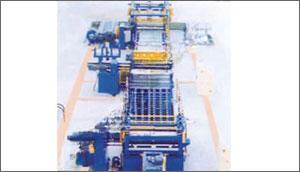
At its core, a slitting machine is a precision shear. It uses rotating circular blades—a top and bottom set—to make continuous longitudinal cuts through a moving web of material. However, a standalone slitter is just one part of a coordinated system.
A full slitting line is an automated sequence of stations that handle the material from start to finish. The standard workflow, as highlighted in your specifications, typically follows this pattern:
Uncoiling -> Feeding -> Leveling -> Slitting -> Cutting (Edge Trimming/Separating) -> Re-forming (Recoiling)
This automated flow ensures high-speed, consistent, and safe processing, minimizing manual handling and maximizing output quality. Understanding this line is crucial, as outlined in foundational industrial resources like the Fabricators & Manufacturers Association’s overview of metal forming processes.
Core Components of a Modern Slitting Machine Line
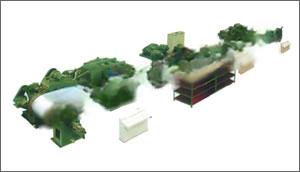
Every high-performance slitting line integrates several key components:
-
Uncoiler/Decoiler: This heavy-duty station securely holds and feeds the master coil into the line. It provides controlled back-tension to prevent material slack.
-
Feeding & Leveling Unit: This critical section pulls the material into the line and passes it through a series of leveling rolls. These rolls flatten any coil set or crossbow, ensuring perfectly flat material enters the slitter for accurate cuts. This step is non-negotiable for achieving tight-tolerance strips.
-
The Slitting Machine Head: The heart of the operation. It houses the arbor(s) where the slitting knives are mounted. Precision here is paramount. The tooling setup—including the type of knives (crush cut, razor, shear), spacers, and stripper rings—determines the final strip width and edge quality.
-
Separation & Tension Control: After slitting, strips need to be separated to prevent interlocking. This is done with slit separators or guide combs. Simultaneously, sophisticated tension control systems (often using dancer rolls or digital controllers) maintain consistent web tension, which is vital for tight, uniform rewinding.
-
Tension Stand & Recoiler: The final station rewinds the multiple narrow strips onto individual mandrels or a single multi-segment drum. A powerful recoiler provides the winding torque, creating tight, stable production coils ready for shipment or the next fabrication step.
Key Specifications for Choosing a Slitting Machine
Selecting the right slitting machine requires careful analysis of your materials and production goals. Here are the critical parameters, expanded from your provided data:
-
Material Type & Thickness: The machine must be engineered for your specific medium. A line for 0.3mm to 10mm thick stainless steel is vastly different from one handling thin plastic films. Hardness, tensile strength, and surface finish dictate the required tooling and machine rigidity.
-
Material Width (Master Coil): The line must accommodate your incoming coil size. Standard widths range from 500mm (0.5m) up to 2000mm (2m) or more for heavy-duty lines.
-
Slitting Width & Tolerance: This defines the narrowest and widest strips you can produce (e.g., 0.4m to 1.2m). More importantly, consider the width tolerance (e.g., ±0.1mm) and edge quality (burr-free, clean cut) your end-product requires.
-
Line Speed & Production Capacity: Measured in meters per minute (MPM), this dictates your throughput. Higher speeds require more robust engineering, dynamic tension control, and advanced automation.
-
Power & Drive System: Main drive power (e.g., 5.5KW for smaller lines, much higher for heavy-gauge) and hydraulic station power (5.5KW for knife positioning and clamping) are key. Modern machines use servo-driven systems for unparalleled precision and energy efficiency.
Industries and Applications: Where is a Slitting Line Used?
The versatility of the slitting machine makes it indispensable. It is the first critical step in the supply chain for:
-
Metal Fabrication: Producing strips for stamping, roll forming (into gutters, roofing, shelving), tube mills, and automotive parts.
-
Packaging: Converting wide rolls of plastic, paper, laminates, and foil into precise widths for bag making, labeling, and flexible packaging.
-
Printing & Converting: Slitting printed materials, films, and release papers for labels, tapes, and specialty products.
-
Electronics: Precision slitting of copper foil, insulating films, and flexible circuits for PCB and battery manufacturing.
Optimizing Your Slitting Operation
Beyond choosing the right machine, optimal performance comes from proper tooling maintenance, operator training, and integration with Material Requirements Planning (MRP) software. Regular knife inspection and correct setup reduce downtime and material waste, directly impacting your bottom line.
Conclusion: The Engine of Efficient Production
Investing in a well-designed slitting machine line is investing in the foundation of your manufacturing productivity. By understanding the components, specifications, and applications outlined in this guide, you are equipped to select a system that delivers precision, speed, and reliability—transforming raw coils into profitable, finished products.
Contact us for more about cold roll forming machines.